Yoga Strength Training: Build Real Power With These Poses
Yoga strength training is sometimes dismissed as an oxymoron. The argument goes that yoga lacks progressive overload and therefore cannot build meaningful strength. That argument overlooks the specific demands of isometric holds, eccentric loading in transitions, and the single-leg and single-arm work that advanced yoga strength poses require. Yoga poses for strength engage the neuromuscular system in ways that produce genuine hypertrophy and functional strength gains, particularly in the posterior chain, upper back, and deep core stabilizers.
Deadlift grip strength, yoga strength poses, and strength building yoga all intersect at the point where functional fitness and movement quality meet. A practitioner who cannot maintain tension through a sixty-second warrior three hold is working different stabilizer systems than a deadlifter can access through loaded barbell work. Both matter. Neither is sufficient alone for complete athletic development.
Yoga Poses for Strength That Produce Measurable Gains
Isometric Holds and Eccentric Control
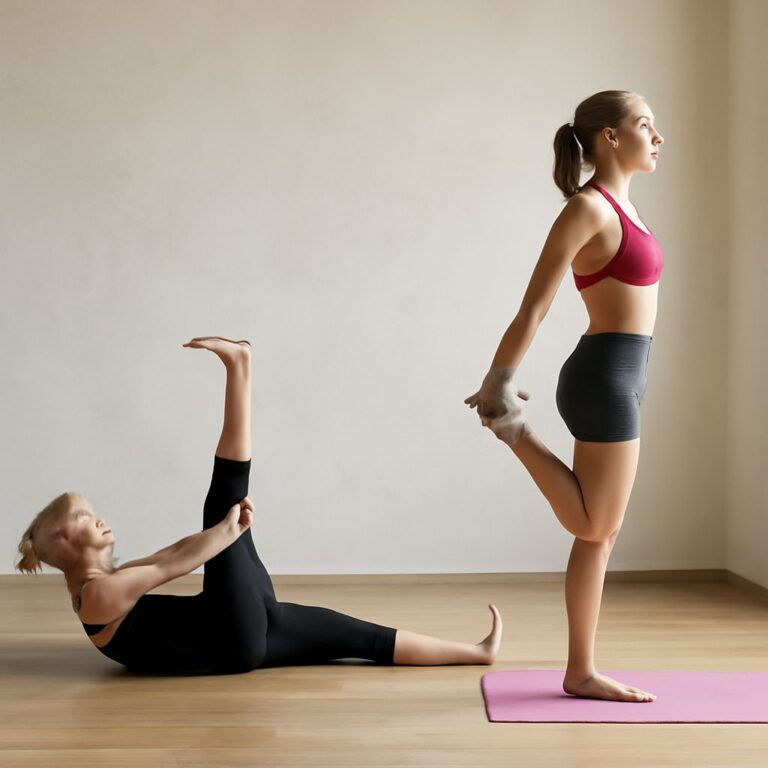
Plank and its variations are the foundation of yoga strength training. A forearm plank held for sixty seconds requires sustained engagement of the transverse abdominis, serratus anterior, and spinal erectors that direct training rarely isolates. Progressing from flat plank to side plank, from side plank to single-leg side plank, creates a genuine strength ladder with clear progression benchmarks.
Chaturanga dandasana, the yoga push-up lowering, is one of the most demanding eccentric loading exercises in any bodyweight system. From high plank, the practitioner lowers slowly to a hover position with the elbows at ninety degrees, controlled entirely by the triceps and pectorals under lengthening load. When practiced correctly with a two-to-three-second descent, this single movement builds upper body pressing strength comparably to dumbbell press variations.
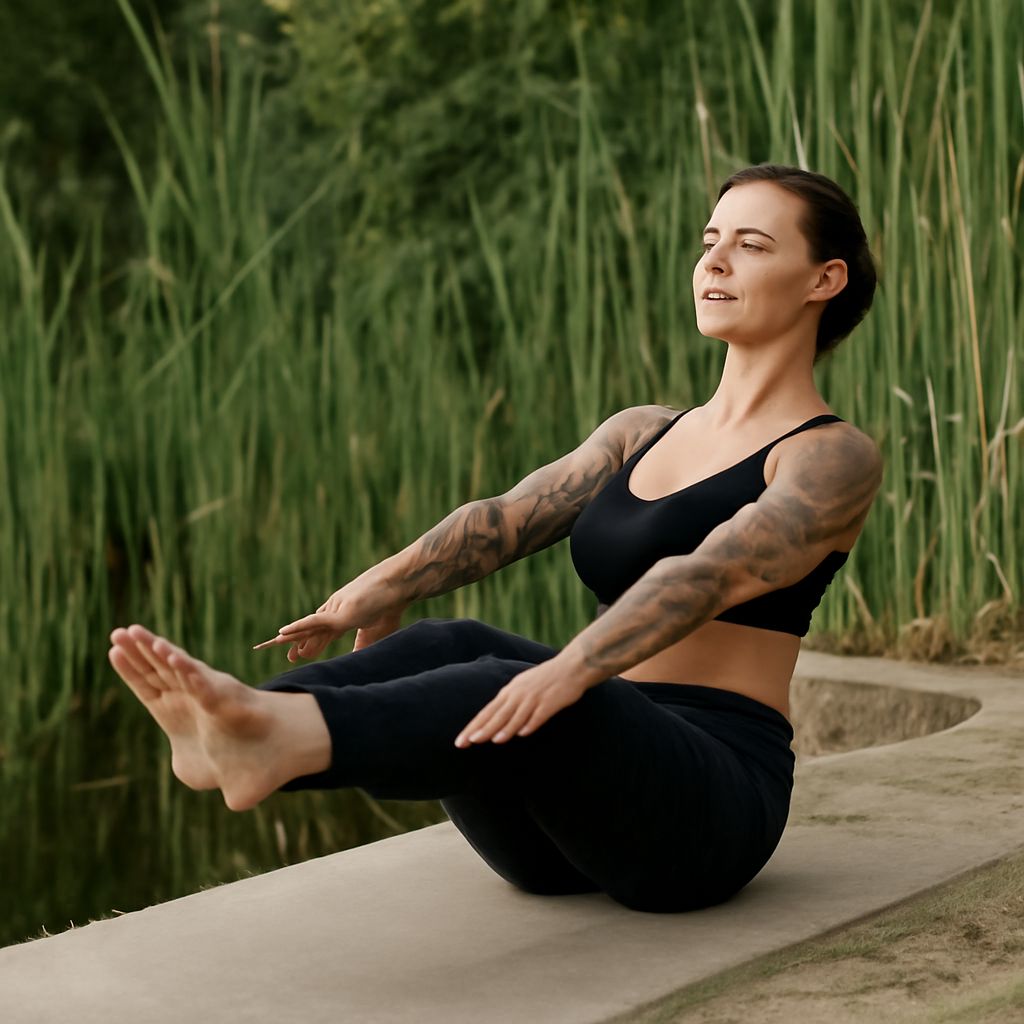
Yoga strength poses like boat pose and its variations train the hip flexors and lower abdominals under sustained isometric demand. Holding boat with straight legs for five full breaths is legitimately challenging and produces lower abdominal development that most gym movements do not target specifically.
- Time your plank holds and aim to add five seconds per week until you reach ninety-second holds
- Practice slow chaturanga descents as standalone reps separated from vinyasa flow to focus on quality
- Use warrior three as a single-leg posterior chain developer by holding for ten full breaths per side
- Build deadlift grip strength through crow pose, which requires significant finger and wrist stabilization under load
Deadlift grip strength benefits from yoga strength poses that involve finger and wrist loading under sustained isometric demand. Crow pose, side crow, and other arm balance yoga strength poses build exactly the grip and wrist stability that limits many athletes in their barbell work. Incorporating arm balances into a strength-focused yoga practice supplements gym training in this underappreciated way.
Integrating Strength Building Yoga With Other Training
Strength building yoga works best when scheduled on days that complement rather than duplicate other training. After a heavy lower body lifting session, a yoga strength session focused on the upper body and core provides productive training stimulus without competing for recovery in the same muscle groups.
Yoga poses for strength that target the posterior chain, specifically locust, bow, and wheel variations, complement anterior-chain-dominant gym training by maintaining the muscular balance around the spine and shoulders that prevents chronic postural dysfunction.
Yoga strength training frequency of two to three sessions per week produces visible strength adaptation within eight to twelve weeks when sessions emphasize long holds, slow transitions, and progressive difficulty rather than high volume at low intensity. Adding time under tension, not just repetitions, is the key training variable in strength building yoga.
Next steps: This week, replace one yoga session with a strength-focused practice built entirely around holds. Choose five poses, hold each for ten breaths, and repeat the sequence three times. Time your holds and record them. Return to this format weekly and track your progression through the holds getting longer and more stable over months.